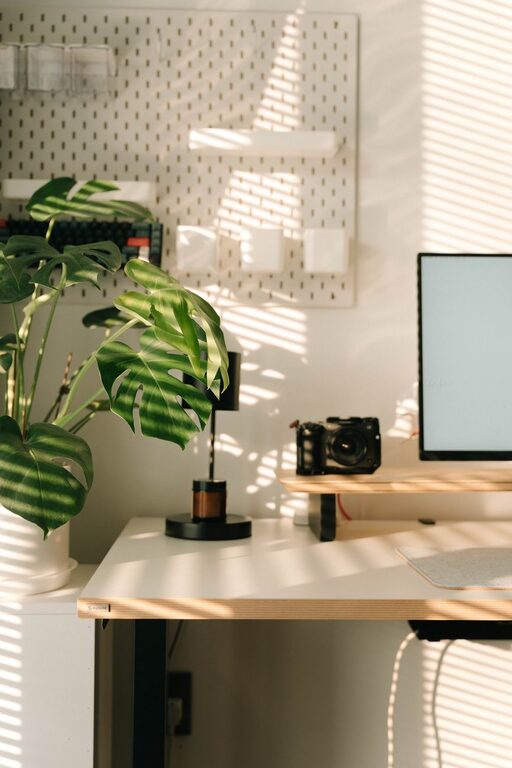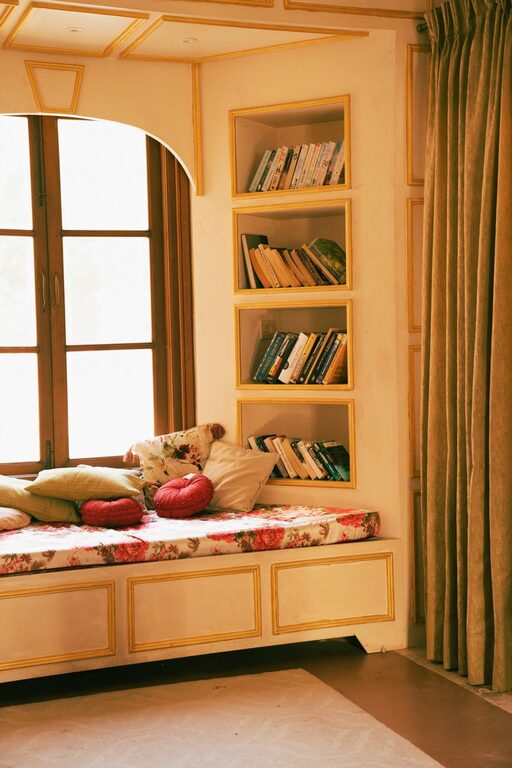




Creating a home workspace that balances comfort with productivity can greatly improve your work-from-home experience. Whether you’re setting up a dedicated office or carving out a small nook, the right environment can boost your focus, reduce stress, and make your workday more enjoyable. Here are practical tips to help you craft a cozy and efficient home workspace.
Choose the Right Location
Finding the ideal spot in your home is the first step. Consider these factors:
– Natural Light: Position your workspace near a window if possible. Natural light helps reduce eye strain and improves mood.
– Quietness: Select a place with minimal distractions. This might be a spare room, a corner of your living room, or even a section of your bedroom if needed.
– Space: Ensure there’s enough room for your desk, chair, and any equipment or materials you need on hand.
Invest in Comfortable and Supportive Furniture
Comfort is key when you spend long hours working. Look for:
– Ergonomic Chair: A chair that supports your back and promotes good posture will prevent discomfort and fatigue.
– Functional Desk: Your desk should be the right height for you. Consider adjustable desks if you want flexibility to sit or stand.
– Footrest: If your feet don’t comfortably reach the floor, a footrest can improve posture and circulation.
Organize with Purpose
A clutter-free workspace fosters clarity and focus. Try these organization ideas:
– Use Storage Solutions: Drawer organizers, shelves, and bins help keep your supplies handy yet out of sight.
– Minimal Decor: Keep decorations simple and meaningful to avoid visual distractions.
– Cable Management: Use clips or sleeves to keep cords neat and prevent tangling.
Personalize Your Space
Adding personal touches can make your workspace inviting without overwhelming it:
– Plants: Small indoor plants improve air quality and add a calming element.
– Artwork: Framed prints or photos that inspire you can boost creativity.
– Comfort Items: A cozy blanket or soft cushions can help you feel relaxed during breaks.
Optimize Lighting
Proper lighting reduces eye strain and maintains energy levels:
– Layer Lighting: Combine ambient light with task lighting like desk lamps.
– Adjustable Bulbs: Use bulbs with adjustable brightness or color temperature to match your work time and mood.
– Avoid Glare: Position screens and lights to minimize reflections.
Establish a Routine and Boundaries
Your home workspace benefits from clear work habits:
– Designate Work Hours: Stick to a schedule to maintain balance and productivity.
– Daily Setup: Spend a few minutes organizing your desk before you start.
– Break Time: Step away regularly to recharge. Use your comfy chair or a cozy spot for short rests.
Incorporate Technology Wisely
Using the right tools makes work smoother:
– Reliable Internet: Ensure your connection is stable, especially for video calls.
– Monitor Setup: Consider an external monitor to improve posture and ease multitasking.
– Noise-Cancelling Headphones: Helpful for focusing, especially in noisy environments.
Maintain Air Quality and Temperature
Comfort goes beyond furniture:
– Ventilation: Fresh air circulation is important for alertness and health.
– Temperature Control: Use fans, heaters, or humidifiers if necessary to keep the space comfortable year-round.
Refresh and Reassess Regularly
Your ideal workspace may evolve:
– Declutter Weekly: Set time to tidy up and reorganize.
– Test New Arrangements: Don’t hesitate to move furniture or change lighting until it feels right.
– Seek Feedback: If you share your space, discuss ways to improve it together.
—
By carefully considering each of these elements, you can create a home workspace that feels both cozy and productive. The goal is to build an environment that supports your work habits while also making you feel comfortable and motivated. With thoughtful planning, your home can become a place where you look forward to working every day.