



Creating a home office that feels both cozy and productive can make a big difference in how you work from home. Whether you’re freelancing, working remotely, or managing a side hustle, a thoughtfully designed workspace helps keep distractions at bay and boosts your efficiency. In this post, we’ll explore practical tips to help you design a home office that’s inviting, organized, and tailored to your needs.
Why a Cozy and Productive Home Office Matters
A well-designed home office supports focus and creativity while promoting comfort and well-being. If your workspace feels cluttered or uncomfortable, you might find it harder to concentrate or maintain motivation throughout the day. When your office is cozy and practical, it encourages you to settle in and enjoy your work.
Choose the Right Location for Your Office
Finding the optimal spot in your home is the first step. Here are some factors to consider:
– Natural Light: Select a space near a window if possible to enjoy natural light. It improves mood and reduces eye strain.
– Quiet Environment: Look for an area with minimal noise, or consider noise-cancelling solutions if you can’t avoid busy spaces.
– Space Availability: Make sure there is enough room for your desk, chair, and any equipment or storage you need without feeling cramped.
Invest in Comfortable and Supportive Furniture
Comfort is key to staying productive. Investing in ergonomic furniture can prevent discomfort and health issues over time.
– Ergonomic Chair: Choose a chair with adjustable height, lumbar support, and comfortable padding.
– Desk: Select a desk at the right height for your work. If possible, consider a sit-stand desk that allows you to alternate positions.
– Accessories: Ergonomic keyboards, mice, and monitor stands can reduce strain and improve posture.
Optimize Lighting for Productivity and Comfort
Lighting affects your focus and energy levels throughout the day.
– Maximize Natural Light: Position your desk so that natural light illuminates your workspace without causing glare on your screen.
– Task Lighting: Add a desk lamp with adjustable brightness to focus light where you need it most.
– Ambient Lighting: Use soft ambient lighting to create warmth and reduce harsh shadows.
Keep Your Space Organized and Clutter-Free
A tidy workspace helps you focus and reduces stress.
– Storage Solutions: Use shelves, drawers, and organizers to keep supplies within reach but out of sight.
– Cable Management: Use cable clips or sleeves to keep cords neat and prevent tangles.
– Daily Cleanup: Spend a few minutes at the end of each day clearing your desk and planning for tomorrow.
Personalize Your Space for Comfort and Inspiration
Adding elements that reflect your personality makes your office inviting and motivating.
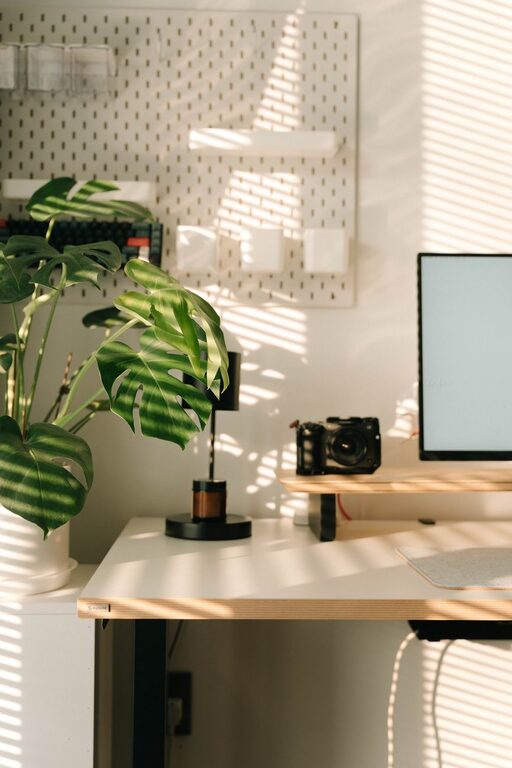
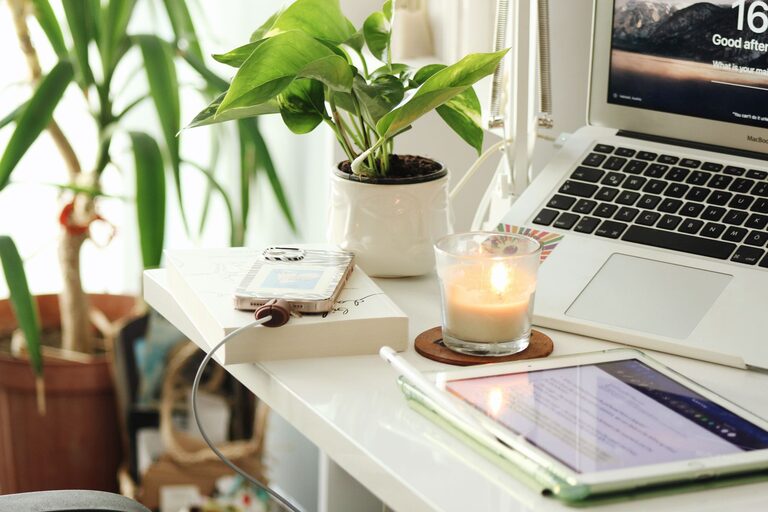
– Decor: Incorporate artwork, plants, or photos that inspire you.
– Colors: Choose color schemes that calm or energize you—soft blues and greens can be soothing, while yellows and oranges might boost creativity.
– Comfort Items: Consider a cozy blanket or cushion to keep you comfortable throughout the day.
Minimize Distractions and Set Boundaries
Maintaining focus requires controlling your environment.
– Noise Control: Use noise-cancelling headphones or white noise machines if your space is noisy.
– Clear Boundaries: If possible, designate your home office as a work-only zone to avoid mixing work and relaxation.
– Set Work Hours: Establish a schedule and communicate it to family or housemates so they respect your work time.
Incorporate Technology That Enhances Productivity
Using the right tools can streamline your workflow.
– Reliable Internet: Ensure you have a stable and fast internet connection.
– Efficient Equipment: Keep your computer, printer, and other devices updated and in good working order.
– Productivity Tools: Use apps for task management, time tracking, or note-taking to stay organized.
Maintain Good Air Quality and Comfort
Comfort includes physical factors like air quality and temperature.
– Ventilation: Keep windows open when possible or use air purifiers to maintain fresh air.
– Temperature: Adjust heating or cooling to a comfortable level to avoid distraction due to discomfort.
– Plants: Indoor plants can improve air quality and add a calming touch.
Final Thoughts
Creating a cozy and productive home office is about balancing comfort with functionality. By carefully choosing your location, investing in ergonomic furniture, optimizing lighting, and maintaining organization, you can build a workspace that supports both your well-being and your work goals. Personal touches and boundary-setting further ensure this space remains inviting and efficient. Start small, and gradually adjust your office setup until it feels just right for you. Happy working!