


Creating a home workspace that is both cozy and productive can greatly enhance your work-from-home experience. Whether you use a dedicated room or a small corner, the right setup helps you stay focused, comfortable, and motivated throughout the day. Here are some practical tips to help you design a home office that feels inviting and supports your work habits.
Choose the Right Location
Consider Natural Light
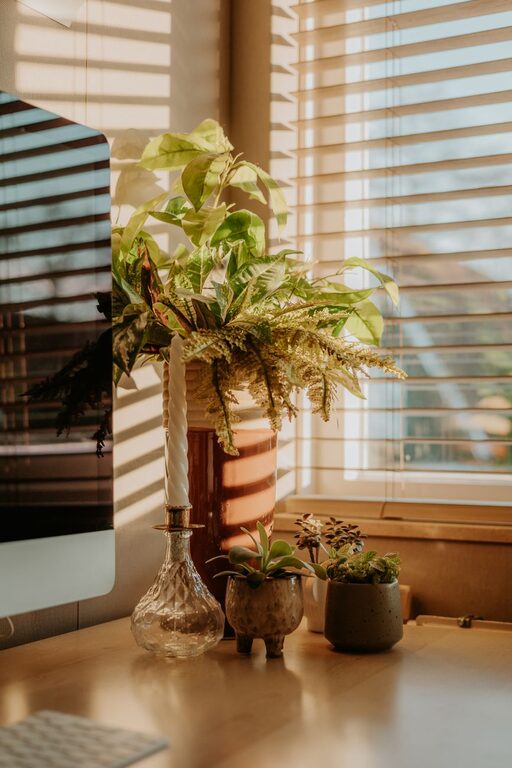
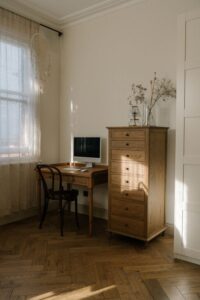
Select a spot in your home with plenty of natural light. Sunlight can boost your mood, reduce eye strain, and make your workspace more inviting. If natural light is limited, choose bright, well-lit areas and supplement with quality artificial lighting.
Minimize Distractions
Pick a location where you can work without frequent interruptions. This might mean a spare room, a quiet corner, or an area away from household traffic. If space is tight, noise-canceling headphones can help mute distractions.
Invest in Comfortable Furniture
Ergonomic Desk and Chair
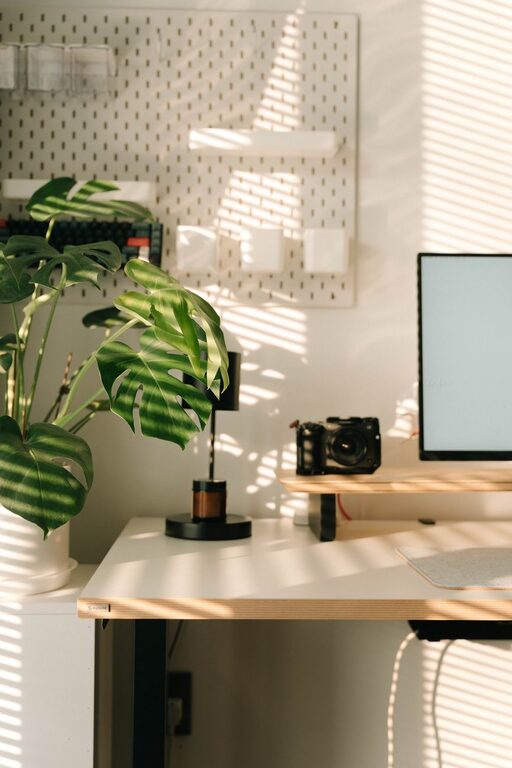
Your chair and desk are the foundation of your workspace comfort. Invest in an ergonomic chair that supports good posture and reduces back strain. A desk at the right height helps prevent wrist and shoulder discomfort.
Consider Adjustable Options
Height-adjustable desks and chairs let you switch between sitting and standing, which can improve circulation and reduce fatigue over the day. Even a small desk riser can make a big difference.
Organize for Efficiency
Keep Essentials Within Reach
Arrange your desk so that frequently used items like your computer, notebook, or phone are easily accessible. This minimizes the need to stretch or get up repeatedly, helping you stay focused.
Declutter Regularly
A clean workspace can reduce stress and distractions. Use organizers, drawers, and shelves to keep papers, cables, and office supplies neatly stored. Regularly remove items you don’t need.
Personalize Your Space
Add Cozy Elements
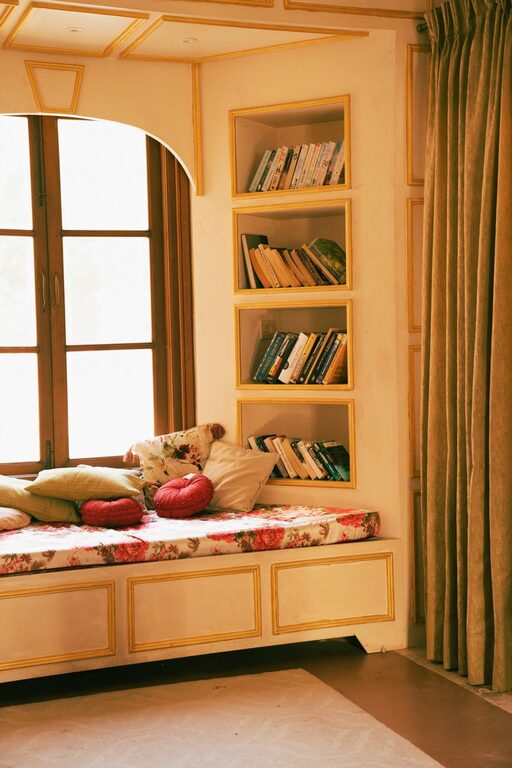
Incorporate soft textures like a cushion, throw blanket, or a small rug. These elements can make your workspace feel warmer and more inviting, which encourages you to spend time there.
Use Plants and Artwork
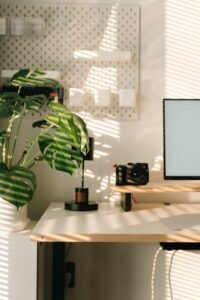
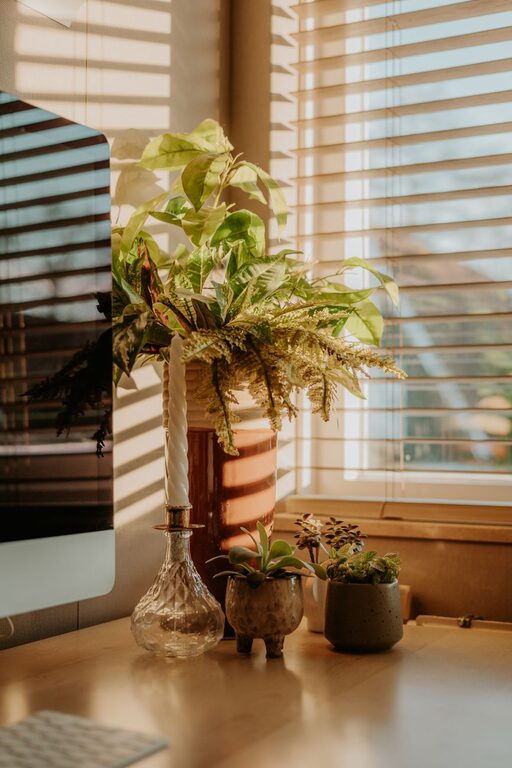
Plants not only improve air quality but also add color and life to a room. Similarly, art or photos that inspire you can create a positive atmosphere and boost creativity.
Optimize Lighting
Balance Natural and Artificial Light
To avoid glare, position your monitor perpendicular to windows. Use adjustable desk lamps to direct light where needed, especially for tasks like reading or writing.
Choose Warm Light for Comfort
Warm white bulbs create a cozy environment, while cooler white bulbs are better for concentration. Experiment with lighting temperatures to find what makes you feel the most comfortable and alert.
Manage Technology and Cords
Set Up Efficiently
Position your computer, printer, and other tech so cords don’t clutter your workspace. Use cable organizers, clips, or sleeves to keep cables tidy and prevent tangling.
Maintain a Good Tech Routine
Keep your software updated and back up your work regularly. Having reliable technology reduces frustration and keeps your workflow smooth.
Establish Boundaries
Define Work Hours
Set clear start and end times for your workday to help separate professional and personal time. Communicate these boundaries with household members.
Create a “Sign-Off” Routine
Develop a habit of tidying your desk at the end of the day or shutting down your computer to mark the end of work time. This helps you transition from work mode to relaxation.
Incorporate Breaks and Movement
Schedule Short Breaks
Taking brief breaks every hour can improve focus and reduce mental fatigue. Use breaks to stretch, walk around, or do simple exercises.
Create Space for Movement
If possible, leave some open space near your desk for standing stretches or quick physical activity. Movement improves circulation and can boost overall energy.
Maintain Good Air Quality
Ventilate Your Workspace
Open windows when possible to allow fresh air in. If you don’t have access to fresh air, consider an air purifier to improve air quality.
Use Pleasant Scents
Essential oils or scented candles can create a calming environment. Choose scents like lavender or eucalyptus for relaxation, but ensure you’re not sensitive to fragrances.
—
Designing a home workspace that marries coziness with productivity takes a bit of thought and effort, but the benefits are worth it. By selecting the right location, investing in comfortable furniture, organizing your materials, and personalizing your space, you set yourself up for success. Remember to balance work and rest, keep your environment clean and inviting, and adjust as your needs evolve. A well-designed home workspace can help you stay motivated, reduce stress, and enjoy your workday from the comfort of home.