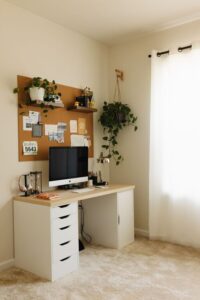


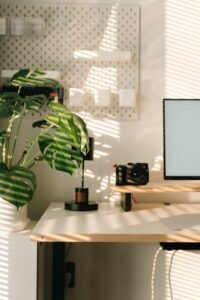

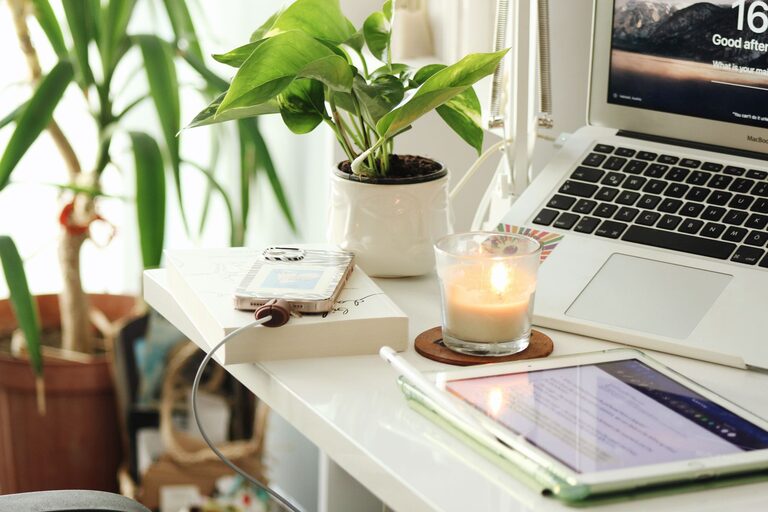
Creating a relaxing home office environment is essential for staying productive and maintaining well-being while working from home. A space that feels calm and inviting can reduce stress, keep you focused, and help you separate work from personal life. Whether you have a dedicated room or just a corner of your living space, there are simple steps you can take to transform your home office into a haven of relaxation and efficiency.
In this post, we’ll explore practical tips to design a home office that promotes comfort and calmness, ensuring your workspace supports your best work.
1. Choose the Right Location
The first step in creating a relaxing home office is selecting the best spot in your home. Ideally, this space should be quiet and have limited distractions. Here are some tips for choosing a location:
– Natural Light: Pick a spot near windows if possible. Sunlight boosts mood and energy levels.
– Privacy: Avoid high-traffic areas like the living room or kitchen to minimize interruptions.
– Space: Ensure you have enough room for your desk, chair, and any necessary equipment.
If you don’t have a dedicated room, consider using room dividers or screens to create a defined workspace.
2. Invest in Comfortable, Ergonomic Furniture
Comfort is key to reducing physical strain and keeping your mind relaxed. When setting up your home office, focus on ergonomics:
– Chair: Choose an adjustable chair with lumbar support to maintain good posture.
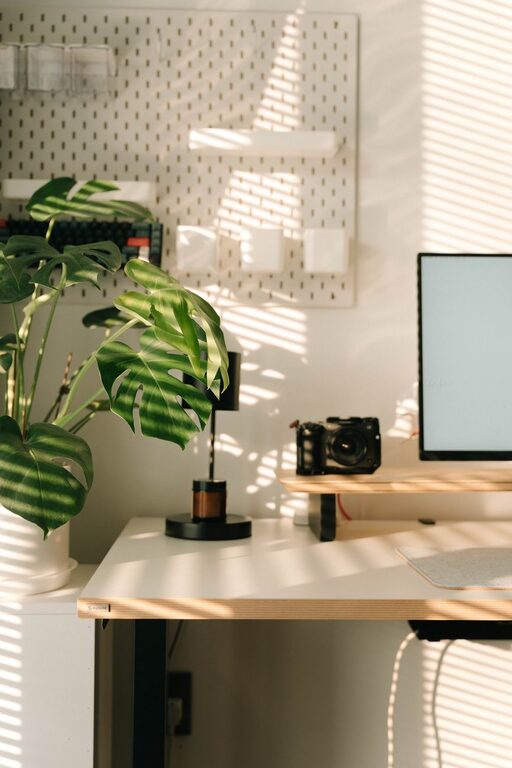
– Desk: Select a desk with enough surface area to accommodate your computer, documents, and accessories without feeling cluttered.
– Monitor Placement: Position your monitor at eye level to avoid neck strain.
– Footrest: Use a footrest if your feet don’t comfortably reach the floor.
Comfortable furniture supports longer, more focused work sessions and can prevent discomfort that distracts you.
3. Declutter and Organize
A cluttered desk can lead to a cluttered mind. Keeping your workspace organized not only looks clean but also helps you feel more relaxed and in control.
– Storage Solutions: Use shelves, filing cabinets, or baskets to keep papers and supplies neat.
– Cable Management: Hide cables with clips or sleeves to reduce visual clutter.
– Daily Cleanup: Spend a few minutes at the end of each day tidying your workspace.
An organized workspace reduces stress and makes it easier to find what you need quickly.
4. Personalize Your Space Thoughtfully
Adding personal touches can make your home office feel inviting and comfortable, but avoid overcrowding the area.
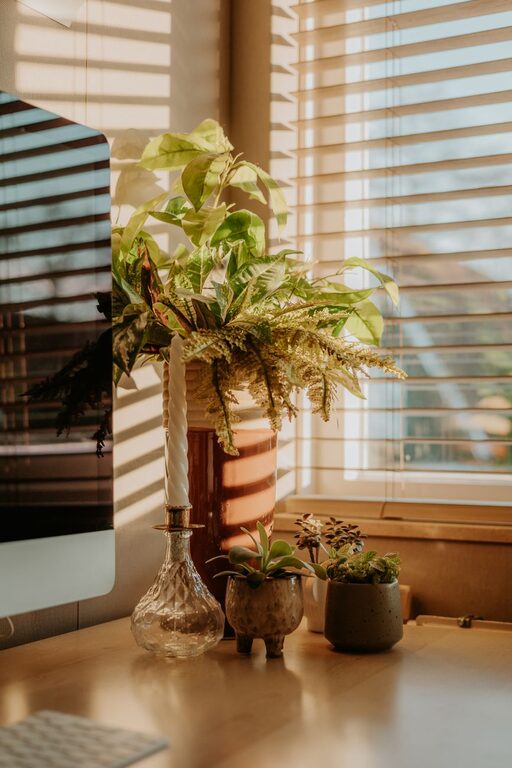
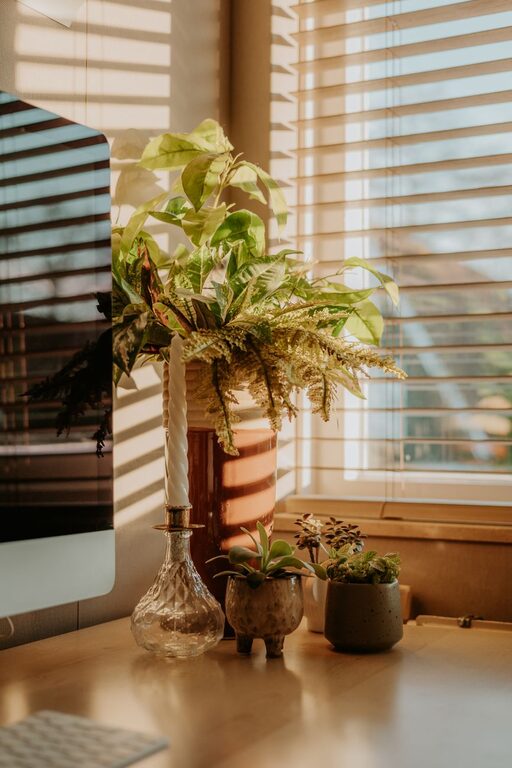
– Plants: Greenery can improve air quality and add a calming natural element.
– Artwork: Hang inspiring or soothing art that motivates without distracting.
– Colors: Choose calming colors like soft blues, greens, or neutral tones for walls and decor.
– Lighting: Use adjustable lighting options—a combination of natural light, overhead lights, and task lighting to reduce eye strain.
Personalizing your space helps create a positive atmosphere that encourages focus and creativity.
5. Incorporate Calming Elements
To make your home office a truly relaxing environment, add elements that help reduce stress and promote calmness.
– Aromatherapy: Use essential oil diffusers or scented candles with soothing scents like lavender or eucalyptus.
– Sound: Consider playing soft background music, nature sounds, or white noise to mask distracting noises.
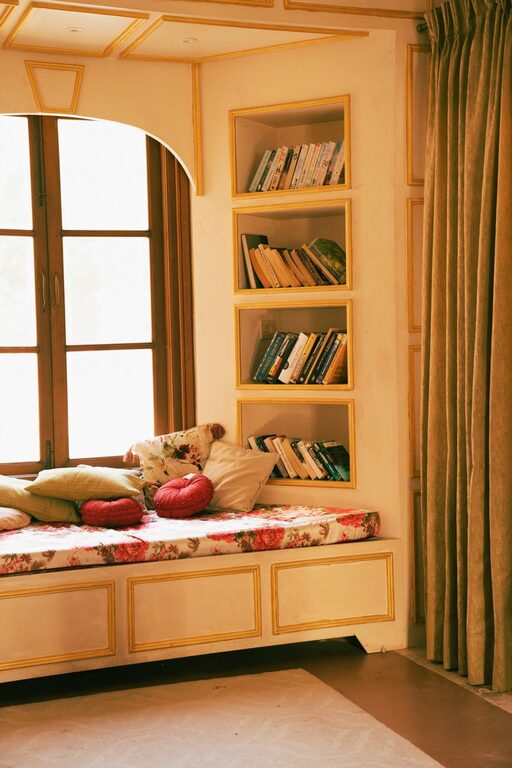
– Break Area: If possible, set up a small space for quick breaks where you can stretch, meditate, or enjoy a cup of tea.
Taking care of your mental well-being is just as important as physical comfort when working from home.
6. Maintain Good Air Quality
Fresh air is crucial to staying alert and comfortable throughout the workday.
– Ventilation: Open windows regularly to let in fresh air.
– Air Purifiers: Use an air purifier if your space tends to feel stuffy or if you have allergies.
– Plants: As mentioned, plants can also improve indoor air quality naturally.
Good air quality supports concentration and keeps you feeling refreshed.
7. Set Boundaries and Routines
Even the most relaxing home office won’t work well if you can’t separate work time from personal time.
– Define Work Hours: Set clear start and finish times for your workday.
– Use Physical Cues: Closing your laptop or turning off your desk lamp can signal the end of work.
– Minimize Distractions: Keep phones on silent or use apps to block distracting sites during work hours.
Establishing routines helps maintain balance and makes your workspace a retreat rather than a source of constant stress.
8. Regularly Refresh Your Space
Over time, your needs and preferences might change. Periodically reassess your home office environment to keep it comfortable and inspiring.
– Rotate artwork or decor to keep the environment fresh.
– Rearrange furniture to optimize comfort or sunlight exposure.
– Replace worn-out furniture or supplies that no longer support your productivity.
Regular updates help your home office remain a positive and relaxing space tailored to your needs.
—
By thoughtfully designing your home office with these simple tips, you can create a relaxing environment that boosts productivity and enhances well-being. Remember, your workspace should support your best work while also feeling like a place you enjoy spending time in. Taking the time to set up a calm and comfortable office is an investment in your mental clarity and daily success.